beach villages
Give the village and hotel name together. Similar property names and broad beach labels can make a drop ambiguous, especially when several passengers have different stays.

Call Now
Call Now
COAST / LONG STAYS / INTERSTATE
Your Goa stay starts with the right drop.
North Goa, Panaji or a South Goa hotel: the exact destination changes the journey. Plan a Mumbai to Goa taxi around your accommodation, luggage and arrival window, with a realistic schedule for the road.
Plan your journey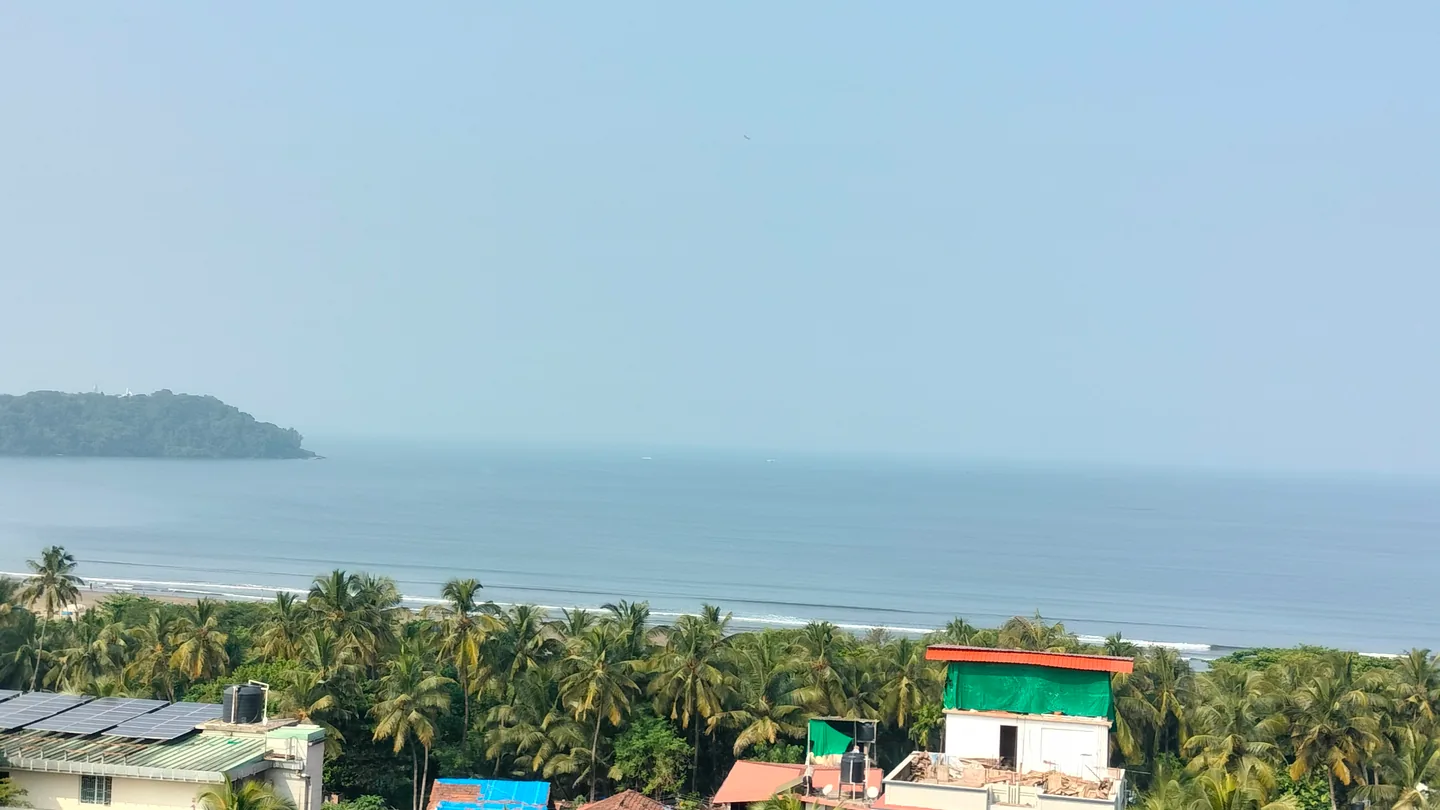
BEFORE YOU SET OFF
Goa is not a single taxi drop point. Give the full resort address and the name used by the property, particularly if your group has several bookings in different villages. A late check-in, airport-area meeting or onward railway connection needs a specific arrival arrangement rather than a broad promise to reach Goa.
Separate the interstate transfer from local holiday travel. If the same car is expected to remain for several days, list those days and local outings in the request. If you only need a drop, make that clear. Beach activities, local transport after release and a return journey are separate unless your confirmation includes them.

Travelling from Mumbai to Goa is easiest to plan when the cab journey matches the purpose of the visit. Some passengers need a simple drop, while others want time for local stops, luggage breaks or a return journey. DDD Cabs can be considered for a driver-led booking request where you explain your itinerary before receiving a confirmed quotation. This guide explains what to decide, what questions to ask and how to make the journey more comfortable without relying on unverified fixed fares or arrival promises.
The reason many travellers choose this route is a planned interstate transfer to a specific Goa address. Goa is a state, not a single city drop. A North Goa resort and a South Goa hotel can require materially different travel. It is better to agree on the destination and how long the vehicle will be needed than to begin with a generic distance estimate. A clear request helps the team determine whether a direct drop or a retained cab suits the trip.
For holidaymakers, families and small groups, comfort can depend on the departure hour, planned meal stops and the realistic pace of the journey. Mention wheelchair or mobility considerations, children, elderly passengers and bulky baggage at the enquiry stage, rather than discovering later that the chosen vehicle is unsuitable. Choose a daytime or overnight departure based on the actual route, passenger comfort and driver-rest requirements.
A private cab is useful when the group wants one planned pickup and one accountable itinerary. For Goa, this may reduce the need to coordinate multiple local transfers after reaching an unfamiliar destination. The advantage is flexibility, not an automatic promise of faster travel: traffic, roadworks, weather and rest breaks still affect the schedule. Tell DDD Cabs what matters most—arriving for an appointment, checking in at a homestay, visiting a temple, or simply reaching the destination without unnecessary detours.
Decide whether the vehicle is released at the Goa accommodation or retained for a holiday and Mumbai return. A week-long resort stay followed by a flight home may only need a direct drop. A return car with beach visits is a different request. List the local-use dates, each hotel and the final departure point so an interstate transfer is not confused with an open-ended sightseeing duty.
Interstate permits, taxes and route planning must be confirmed in the quote; the site should never state a single universal fare. A request that includes the practical details can be quoted more accurately than a request that only says “Mumbai to Goa”.
Name the Mumbai collection point before agreeing an arrival window with the Goa property. Panvel, a western-suburb home and a South Mumbai hotel involve different city approaches. For a flight connection into Mumbai, provide the terminal and baggage details rather than using the landing time as the road departure. If friends join at another address, quote that collection with the full interstate journey.
DDD Cabs also serves enquiry areas such as Thane, Kalyan, Dombivli and Palava City. When requesting the Goa journey from one of these areas, specify the actual starting locality. A pickup in Dombivli should not be priced or described as identical to one from South Mumbai. The estimated path may change with highway access, traffic restrictions and the departure window.
Two broad road corridors can be discussed. The Konkan-side NH66 corridor runs from Panvel through places including Chiplun and Ratnagiri towards the Goa border. The inland NH48 corridor passes Pune, Satara and Kolhapur before a suitable connection towards Goa. Neither is a promise of the fastest or safest journey on every date: the actual pickup, final resort, road works and weather should guide the chosen approach.
The sensible way to plan Goa is to check the live route close to departure, then allow a margin for urban traffic, road maintenance, toll plazas and comfort stops. Online map durations are estimates, not commitments. For a longer journey, discuss whether an early start, planned break or overnight halt is appropriate. Drivers must follow applicable driving-hour and road-safety practices; passengers should not request unsafe continuous driving to meet an arbitrary time target.
If you are choosing a sightseeing detour, consider hotel-based sightseeing only when booked separately. A scenic extension that looks small on a map can take much longer on local roads. Explain whether the cab is expected to wait while the group visits an attraction, whether it continues to another hotel, and where the duty ends. The final itinerary and any charge changes should be acknowledged before travel.
Give the village and hotel name together. Similar property names and broad beach labels can make a drop ambiguous, especially when several passengers have different stays.
Identify the specific airport and terminal if your itinerary includes one. An airport-area drop is not the same request as a resort transfer elsewhere in Goa.
Confirm the station, entrance and onward departure separately from the city name. Leave a sensible buffer rather than scheduling a rail connection from an optimistic road ETA.
North Goa examples include Mapusa, Calangute, Baga, Candolim, Anjuna, Vagator, Morjim and Ashwem. Give the particular resort and gate instead of using that whole list as one drop area. A hotel change within the northern region still needs its own route and luggage plan.
Margao, Colva, Benaulim, Agonda, Palolem and Canacona are examples relevant to a southern Goa stay. They are not interchangeable final destinations. Identify the actual accommodation and explain whether another resort drop is needed, especially when members of the group are staying separately.
Panaji is a city destination with its own hotel and parking choices. Specify whether the car is dropping you or remaining for a local visit.
Arrange pickup at the confirmed Mumbai address, set off with sensible rest stops and travel to the exact Goa drop. This is the cleanest choice when the main purpose is a family visit, business commitment, hotel check-in or onward connection. Request a one-way quotation if no car is needed after drop-off. A direct transfer does not mean the driver must omit legally required breaks.
After reaching the confirmed Goa hotel, leave the first evening free of distant beach changes. A retained-car holiday can then devote a local day to the region where you are staying. Moving between a North Goa base and a southern resort needs its own travel allowance and luggage plan. State whether the return leaves from the original hotel or a later accommodation before settling the driver’s overnight duty.
Discuss hotel-based sightseeing only when booked separately as part of an individually quoted itinerary. Confirm the sequence, expected overnight points and any extra kilometres before booking. This option is most useful when the group has specific travel interests, but it is also where ambiguous “all-inclusive” language causes the most confusion. Ask for a written breakdown.
For Goa, surf gear, children’s equipment and long-stay suitcases can make luggage capacity more important than the nominal seat count. Tell the team what the group will carry and whether it changes after additional hotel pickups. Ask the property about its access lane and unloading point. A larger vehicle must suit the final resort approach as well as the interstate road journey.
For a smaller group; confirm boot space.
Discuss passenger comfort and luggage.
Confirm seating and approach-road suitability.
There is no responsible universal online price for every Mumbai to Goa trip. The quote depends on the actual pickup and drop, one-way versus return usage, vehicle type, date, route, additional stops and applicable operating rules. Toll, parking, state permit, driver allowance and overnight charges should each be marked as included or excluded. Do not assume that a quoted basic cab rate automatically includes sightseeing, activity admission or extra waiting.
Compare quotations for the same Goa property and the same decision about local use. Ask where the duty ends, how a second hotel drop is charged and what daily terms apply if the car remains. Confirm tolls, parking, applicable permit charges, driver allowance and taxes in writing. Local holiday drives should be itemised rather than assumed to follow automatically from the Mumbai–Goa transfer.
Peak holiday periods can be busy; monsoon affects beaches and some activities. This matters because travellers may plan the same route differently during summer, monsoon and high-demand holiday weekends. Weather can affect the safest departure time, choice of road, outdoor stops and overall pace. Before leaving, review current forecasts and any official travel advisories relevant to the actual region.
Plan adequate breaks and confirm local access for larger vehicles. Do not build an itinerary around an assumed activity opening, guaranteed wildlife sighting or unrestricted beach, river or hill access. Local signs and authorised operators take precedence over marketing descriptions. If weather causes a stop to be cancelled, discuss a safer alternative rather than pushing the driver or passengers to take risks.
Food is part of the journey too: coastal cuisine with plenty of vegetarian options. Restaurants, dietary needs and meal timing should be chosen by passengers and confirmed directly as needed. Water, medicines, sun protection, motion-sickness supplies and comfortable footwear can matter on a longer journey. Take rubbish away from beaches, roadsides, viewpoints and temple areas.
Provide exact hotel pin, interstate travel dates and return plan. Share the travel date, preferred pickup time, pickup locality, exact destination pin, number of people, luggage and whether the request is one-way or round-trip. Mention a must-reach appointment or temple visit, but allow the team to explain route and arrival uncertainty. For a holiday, write the proposed stops and hotels in order.
Check the complete hotel address, arrival contact and vehicle-release point before accepting the Goa booking. Keep the property pin available offline and tell the team if the stay changes from the north to the south of the region. For a retained car, agree the next reporting time and return address. Verify revised payment or coordination instructions through the official contact rather than an unexpected message.
Request a drop at the actual resort, villa or family address, not simply “Goa”. A Calangute stay and a Palolem stay describe different final approaches and should be quoted accordingly.
A round trip can include retained local use when agreed beforehand. List which days need the car and whether you change hotels, rather than treating the entire holiday as unlimited availability.
The exact property and release point are central to the quote. Compare the same North or South Goa address, passenger load and local-use plan before judging the price difference.
Panvel or Navi Mumbai pickups are worth identifying explicitly because they are not interchangeable with a South Mumbai hotel. Include any second collection in the first request.
For a coast-focused extension, read the Malvan route guide and allow a separate stay if needed. A fort or beach detour is not included merely because it lies in the broader region.
Ask which interstate operating charges, tolls and resort parking are included. When the car remains in Goa, confirm local waiting and overnight-driver terms as well as the arrival transfer.
Check the forecast and property access near departure, especially in rain. Do not base the holiday on every beach activity running or on a fixed highway duration.
A larger Goa group needs enough room for long-stay bags and a vehicle that reaches the property entrance. Confirm whether multiple resort drops are part of the same duty.
Share a hotel check-in or onward-flight deadline, but allow a buffer for the actual route and final resort approach. Neither North nor South Goa is one fixed arrival point.
Rooms, beach activities and sightseeing admissions need their own arrangements unless listed. Releasing the Mumbai transfer car also means later local journeys require separate transport or an agreed retained booking.
Ready to plan your Mumbai to Goa journey? Use the booking form beside this page to enter your pickup, destination, date and trip type, then review the available options and quotation flow. If the trip has several overnight stops or unusual luggage needs, send those details through the official enquiry process so the route can be assessed properly. DDD Cabs aims to make the booking request clear: you choose the journey you need, and the final service details should be confirmed before travel.