Jaigad Fort
Add Jaigad only if the group wants a distinct fort visit. Agree the travel sequence and leave time for walking rather than treating it as a short stop outside the hotel.

Call Now
Call Now
GANESH TEMPLE / COAST / MALGUND
A coastal journey with a purpose.
Bring temple plans and beach time together without rushing either. Request your Mumbai to Ganpatipule taxi with the hotel address, planned darshan day and any Ratnagiri extension clearly set out.
Plan your journey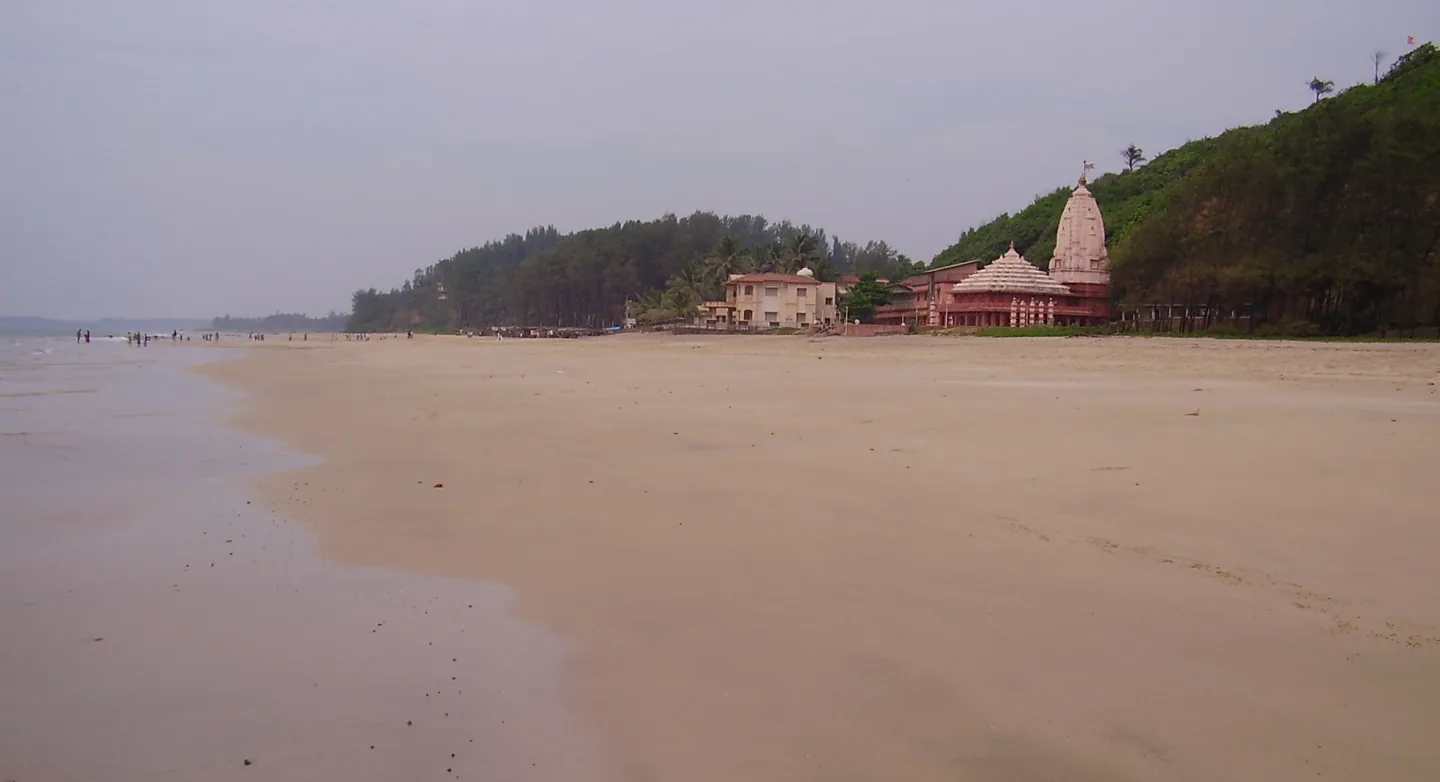
BEFORE YOU SET OFF
A pilgrimage-led visit and a beach holiday need different arrival priorities. If darshan matters most, discuss the temple visit separately from hotel check-in and allow for queues. The car can bring you to a permitted stopping point; temple access, rituals and walking arrangements are not part of a highway transfer.
For a return stay, keep one local day for Ganpatipule and Malgund before adding a wider coastal drive. Aare-Ware, Jaigad or Ratnagiri should be selected to suit the available daylight and passenger energy. A vehicle retained overnight is a different booking from a drop followed by a separately arranged return.
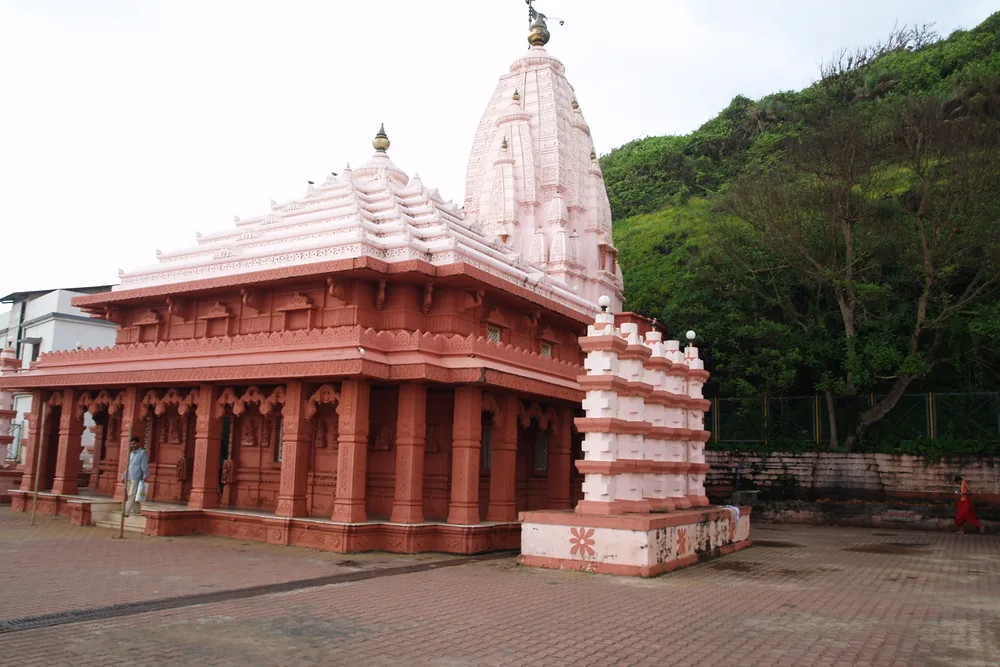
Travelling from Mumbai to Ganpatipule is easiest to plan when the cab journey matches the purpose of the visit. Some passengers need a simple drop, while others want time for local stops, luggage breaks or a return journey. DDD Cabs can be considered for a driver-led booking request where you explain your itinerary before receiving a confirmed quotation. This guide explains what to decide, what questions to ask and how to make the journey more comfortable without relying on unverified fixed fares or arrival promises.
The reason many travellers choose this route is a coastal pilgrimage with time for the temple and seafront. A Ganpatipule journey is distinct from a Ratnagiri town drop. Choose the temple, hotel or nearby village as the final destination. It is better to agree on the destination and how long the vehicle will be needed than to begin with a generic distance estimate. A clear request helps the team determine whether a direct drop or a retained cab suits the trip.
For pilgrims, families and couples, comfort can depend on the departure hour, planned meal stops and the realistic pace of the journey. Mention wheelchair or mobility considerations, children, elderly passengers and bulky baggage at the enquiry stage, rather than discovering later that the chosen vehicle is unsuitable. Choose a daytime or overnight departure based on the actual route, passenger comfort and driver-rest requirements.
A private cab is useful when the group wants one planned pickup and one accountable itinerary. For Ganpatipule, this may reduce the need to coordinate multiple local transfers after reaching an unfamiliar destination. The advantage is flexibility, not an automatic promise of faster travel: traffic, roadworks, weather and rest breaks still affect the schedule. Tell DDD Cabs what matters most—arriving for an appointment, checking in at a homestay, visiting a temple, or simply reaching the destination without unnecessary detours.
Choose whether the main purpose is a Ganpatipule drop, a temple-led return stay or a wider Ratnagiri circuit. Put darshan, hotel check-in and any coastal extension in their intended order. The car’s waiting and overnight duty must follow that sequence. A quotation ending at the accommodation should not be interpreted as including every temple visit or a later drive into Ratnagiri.
Temple visits may have queues around festivals and holidays. Keep room for worship without promising a specific darshan waiting time. A request that includes the practical details can be quoted more accurately than a request that only says “Mumbai to Ganpatipule”.
Give the exact Mumbai pickup and identify passengers joining from nearby suburbs before choosing the departure. If the group arrives by air, allow for terminal exit and baggage collection. Explain whether the Ganpatipule hotel or temple area is the first destination, particularly when elderly relatives need to settle in. The arrival plan should support their pace rather than force a devotional visit straight after the highway leg.
DDD Cabs also serves enquiry areas such as Thane, Kalyan, Dombivli and Palava City. When requesting the Ganpatipule journey from one of these areas, specify the actual starting locality. A pickup in Dombivli should not be priced or described as identical to one from South Mumbai. The estimated path may change with highway access, traffic restrictions and the departure window.
A Ganpatipule journey is distinct from a Ratnagiri town drop. Choose the temple, hotel or nearby village as the final destination.
The sensible way to plan Ganpatipule is to check the live route close to departure, then allow a margin for urban traffic, road maintenance, toll plazas and comfort stops. Online map durations are estimates, not commitments. For a longer journey, discuss whether an early start, planned break or overnight halt is appropriate. Drivers must follow applicable driving-hour and road-safety practices; passengers should not request unsafe continuous driving to meet an arbitrary time target.
If you are choosing a sightseeing detour, consider Ratnagiri or Jaigad only if agreed in the plan. A scenic extension that looks small on a map can take much longer on local roads. Explain whether the cab is expected to wait while the group visits an attraction, whether it continues to another hotel, and where the duty ends. The final itinerary and any charge changes should be acknowledged before travel.
Add Jaigad only if the group wants a distinct fort visit. Agree the travel sequence and leave time for walking rather than treating it as a short stop outside the hotel.
A coastal drive should use safe stopping points and current road advice. Keep photography optional if visibility, rain or traffic makes a pause unsuitable.
If you continue to Ratnagiri, name the city stops or final accommodation. A regional extension changes the route and should be acknowledged in the cab quotation.
Separate the temple visit from luggage drop and hotel check-in. Confirm current entry arrangements directly and discuss the walking needs of elderly passengers.
Make beach time flexible around weather and sea conditions. The taxi provides transport to an agreed point; it does not guarantee swimming, activities or open access.
Malgund is a possible local outing for a quieter part of the stay. Ask for a realistic visit window rather than adding it after several distant stops.
Arrange pickup at the confirmed Mumbai address, set off with sensible rest stops and travel to the exact Ganpatipule drop. This is the cleanest choice when the main purpose is a family visit, business commitment, hotel check-in or onward connection. Request a one-way quotation if no car is needed after drop-off. A direct transfer does not mean the driver must omit legally required breaks.
Keep one local period for Ganpatipule and Malgund before expanding the stay into a wider coastal itinerary. An Aare-Ware drive or Jaigad visit should be a chosen outing, with an agreed start and return to the hotel. If the car remains overnight, clarify its reporting time. On the last day, set the Mumbai return around the actual checkout and any final temple visit.
Discuss Ratnagiri or Jaigad only if agreed in the plan as part of an individually quoted itinerary. Confirm the sequence, expected overnight points and any extra kilometres before booking. This option is most useful when the group has specific travel interests, but it is also where ambiguous “all-inclusive” language causes the most confusion. Ask for a written breakdown.
For a pilgrimage group, discuss comfortable seating, overnight bags and the distance passengers can walk from a permitted drop. A larger vehicle does not remove temple-area access restrictions or queueing. Ask the hotel about its gate and parking before choosing a group category. Any requested mobility assistance or child-seat arrangement should be confirmed directly; it cannot be inferred from the itinerary title.
For a smaller group; confirm boot space.
Discuss passenger comfort and luggage.
Confirm seating and approach-road suitability.
There is no responsible universal online price for every Mumbai to Ganpatipule trip. The quote depends on the actual pickup and drop, one-way versus return usage, vehicle type, date, route, additional stops and applicable operating rules. Toll, parking, state permit, driver allowance and overnight charges should each be marked as included or excluded. Do not assume that a quoted basic cab rate automatically includes sightseeing, activity admission or extra waiting.
Compare a temple-and-hotel visit with the same duty in each quotation. Establish whether darshan waiting, Malgund travel or a Ratnagiri continuation is included, then ask about daily kilometre terms for a retained car. Check the cost treatment of parking and driver overnight arrangements as well as tolls and taxes. A direct accommodation drop remains a different service from a multi-day coastal circuit.
Cooler months are comfortable; monsoon waves may be hazardous. This matters because travellers may plan the same route differently during summer, monsoon and high-demand holiday weekends. Weather can affect the safest departure time, choice of road, outdoor stops and overall pace. Before leaving, review current forecasts and any official travel advisories relevant to the actual region.
Follow local beach flags and temple etiquette; avoid late or rushed driving. Do not build an itinerary around an assumed activity opening, guaranteed wildlife sighting or unrestricted beach, river or hill access. Local signs and authorised operators take precedence over marketing descriptions. If weather causes a stop to be cancelled, discuss a safer alternative rather than pushing the driver or passengers to take risks.
Food is part of the journey too: Konkan home-style food and seasonal local produce. Restaurants, dietary needs and meal timing should be chosen by passengers and confirmed directly as needed. Water, medicines, sun protection, motion-sickness supplies and comfortable footwear can matter on a longer journey. Take rubbish away from beaches, roadsides, viewpoints and temple areas.
Confirm hotel address and whether the driver will remain for the return trip. Share the travel date, preferred pickup time, pickup locality, exact destination pin, number of people, luggage and whether the request is one-way or round-trip. Mention a must-reach appointment or temple visit, but allow the team to explain route and arrival uncertainty. For a holiday, write the proposed stops and hotels in order.
Before confirming, check which address comes first and where the passengers and driver will meet after the temple visit. Keep the hotel contact and official temple information separate from the vehicle confirmation. If crowds alter the day, tell the booking team which optional outing can be dropped. Agree the final return reporting point rather than assuming the driver will find the group somewhere near the shore.
A one-way enquiry can end at your Ganpatipule hotel or an agreed permitted drop. Say whether bags should go to the accommodation before any separate temple visit.
For a return stay, identify the darshan day and the local outings needing the car. A quiet beach period and a Ratnagiri extension should not be treated as identical duties.
The important variables include temple waiting, overnight retention and any coastal extension. Ask for the written total using your actual hotel and the number of duty days.
Give the suburb or airport terminal where the group really starts. Include elderly passengers’ rest needs when discussing the arrival sequence rather than only an intended temple time.
A wider visit can include Ratnagiri as a separately planned stop. Clarify whether it is sightseeing, a second overnight base or the place where the journey finishes.
Check parking and waiting for the temple visit as well as driver overnight costs. Temple rituals, entry arrangements and any local activity payments are not implied by the taxi fare.
Sea conditions and rain can change the beach part of the stay. Keep the temple and hotel plan realistic, and use official local advice before committing to outdoor activities.
Group travellers should discuss the permitted temple-area drop and hotel entrance. Confirm walking expectations and luggage access before accepting a larger vehicle for the pilgrimage.
Allow for temple crowds after the road journey. A taxi arrival estimate cannot guarantee a particular queue duration or make a tightly scheduled darshan arrangement achievable.
Reserve accommodation and any temple-specific arrangements through their appropriate channels. The cab confirmation covers the agreed transport duty, not a ritual booking or a guaranteed beach activity.
Ready to plan your Mumbai to Ganpatipule journey? Use the booking form beside this page to enter your pickup, destination, date and trip type, then review the available options and quotation flow. If the trip has several overnight stops or unusual luggage needs, send those details through the official enquiry process so the route can be assessed properly. DDD Cabs aims to make the booking request clear: you choose the journey you need, and the final service details should be confirmed before travel.